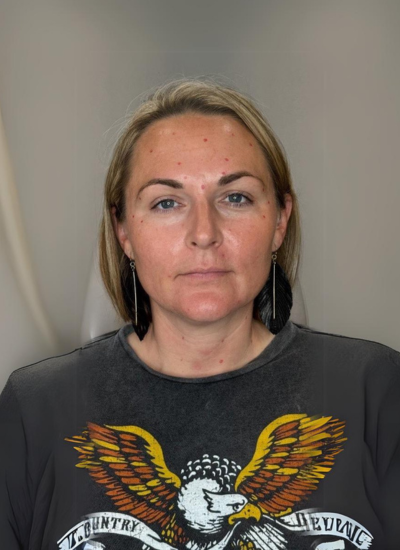
Acne is rarely a short-term issue. For many teens and adults, breakouts can persist for years, leaving behind uneven texture, discoloration, and scars even after active acne improves. Because of this, the most effective results often come from a comprehensive, long-term treatment plan. Microneedling plays an important role in this strategy by addressing the skin damage acne leaves behind while supporting healthier skin over time. Today, we at Skin And Body Refinery would like to discuss how microneedling fits in your long-term acne treatment.
Understanding Microneedling’s Role in Acne Care
Microneedling is a minimally invasive treatment that uses fine, medical-grade needles to create controlled micro-injuries in the skin. These microchannels stimulate the body’s natural healing response, increasing collagen and elastin production. While microneedling is not designed to treat active, inflamed acne, it is highly effective for improving acne scars, uneven texture, and post-inflammatory hyperpigmentation that remain after breakouts are under control. In a long-term acne treatment plan, microneedling is typically introduced once active acne is stabilized. This ensures the skin can heal properly and reduces the risk of spreading bacteria or worsening inflammation.
Combining Microneedling With Other Acne Treatments
Long-term acne management often requires a combination of treatments tailored to each individual’s skin type and acne severity. Microneedling works best when paired with other therapies such as medical-grade skincare, topical acne treatments, chemical peels, or light-based therapies. For example, topical retinoids and acne-fighting ingredients may be used to control breakouts, while microneedling focuses on repairing skin texture and stimulating collagen. Microneedling can also enhance the absorption of certain serums, allowing beneficial ingredients like hyaluronic acid or growth factors to penetrate deeper into the skin.
Treatment Timing & Consistency Matter
Microneedling is not a one-time solution. To see meaningful improvements in acne scars and overall skin quality, treatments are typically spaced four to six weeks apart and performed in a series. This gradual approach supports collagen remodeling while giving the skin time to heal between sessions. As part of a long-term plan, microneedling may be scheduled during periods when acne is well-controlled. Maintenance sessions can also be performed periodically to preserve results and continue supporting skin renewal.
Supporting Results with Proper Aftercare
Aftercare is a crucial part of integrating microneedling into an acne treatment plan. Patients are usually advised to avoid harsh products, sun exposure, and heavy makeup for several days following treatment. Using gentle cleansers, hydrating products, and broad-spectrum sunscreen helps protect the skin and optimize healing. Following professional guidance ensures that microneedling complements, rather than disrupts, ongoing acne treatments.
A Personalized Approach to Long-Term Acne Improvement
Every case of acne is unique, which is why microneedling should always be part of a personalized treatment plan. When used at the right time and combined with effective acne management strategies, microneedling can significantly improve skin texture, reduce the appearance of acne scars, and support long-term skin health.
Microneedling & More in Waco, TX (Just Minutes Away from Axtell, West, Lorena, Bellmead, Woodway, Hewitt, Robinson & Crawford, Texas)
Consulting with a qualified skincare professional, such as Skin And Body Refinery, helps determine when microneedling is appropriate and how it can best fit into your long-term acne treatment journey.